📍 Thermal village at the gates of the Sibillini
Located about a kilometer from Acquasanta Terme, along the historic Roman Salaria, the hamlet of Santa Maria is one of the oldest and most picturesque centers of the area.
A place where water, stone, and memory intertwine uniquely: thermal springs, Roman remains, and medieval architecture coexist among the stone houses overlooking the Tronto valley.
🌿 Identity and landscape
The village is situated in a panoramic position on the right bank of the river, surrounded by chestnut woods and travertine.
The thermal waters flowing underground have shaped the landscape and history of the place: from here, one can access the famous Lu Vurghe springs, small natural pools of warm sulfurous water, among the most renowned in the Piceno for their authenticity.
Santa Maria is an ideal starting point for nature excursions and slow wellness paths, exploring the nature and traditions of the Apennines.
🕰️ Historical notes
The origins of Santa Maria are linked to the first settlements of the Roman era, identified by scholars with the locality ad Aquas mentioned in the Tabula Peutingeriana.
Over the centuries, the village has maintained a central role as a place of passage and rest along the Salaria road, hosting small thermal and religious structures.
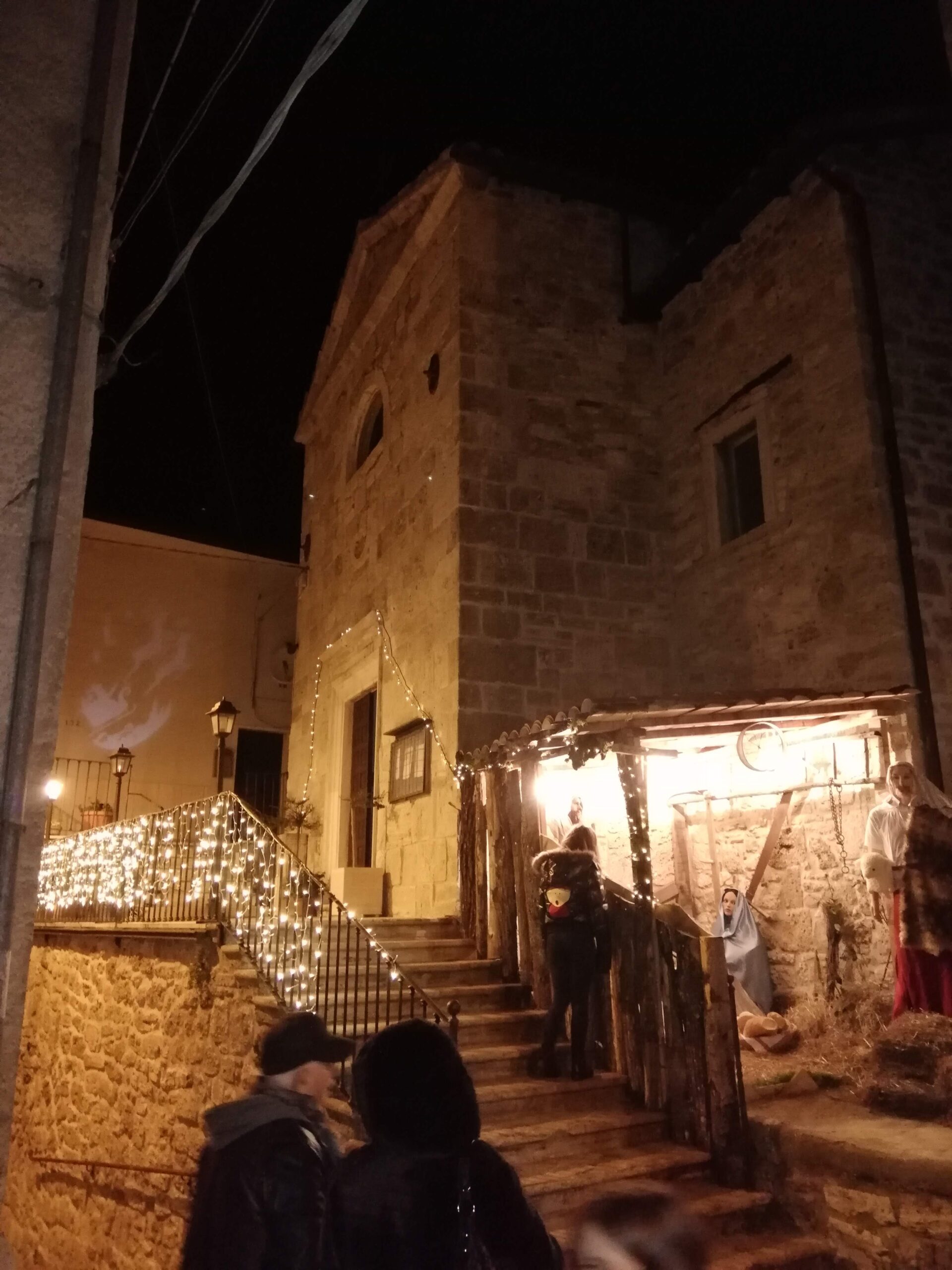
The current church of the Holy Crucifix, built on the remains of an ancient sacred building, preserves 17th-century decorations and frescoes; just above is the Tower of Santa Lucia, a memory of Napoleonic times and the unification of Italy.
💬 Visitor experience
Visitors to Santa Maria perceive an atmosphere suspended in time.
The narrow streets, carved portals, ancient inscriptions, and polished stones tell the life of a village built around water.
The experience culminates at the natural spas of Lu Vurghe, where the sulfurous warmth meets the silence of the forest: a bath in history and nature, free and authentic.
📸 What to see
-
Church of the Holy Crucifix (16th–17th century)
-
Roman and medieval remains incorporated into the village houses
-
Thermal springs of Lu Vurghe
-
Scenic trails towards Acquasanta and Monte Ceresa
⚙️ Useful information
-
Municipality: Acquasanta Terme (AP)
-
Altitude: 400 m a.s.l.
-
Access: along the S.S. Salaria, 1 km from the center of Acquasanta
-
Nearby services: typical dining, accommodations, rest areas, e-bike charging station
-
Ideal for: thermal tourism, hiking, photography, outdoor experiences