

Falciano
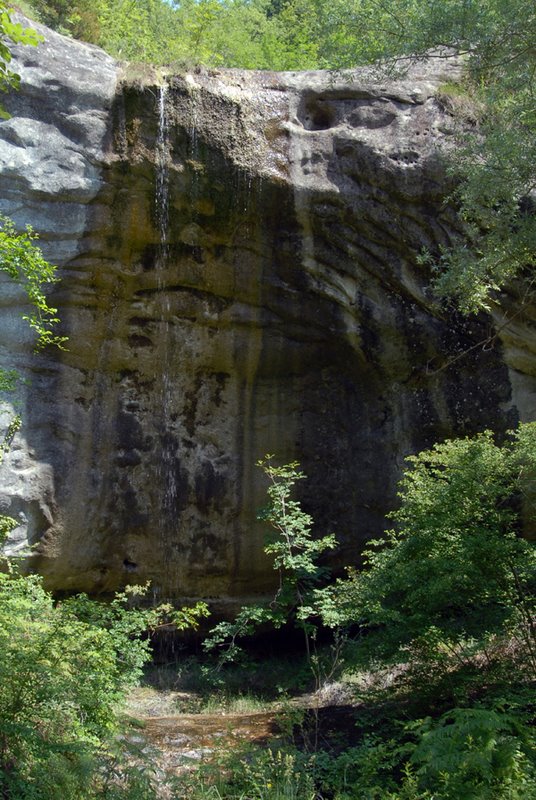
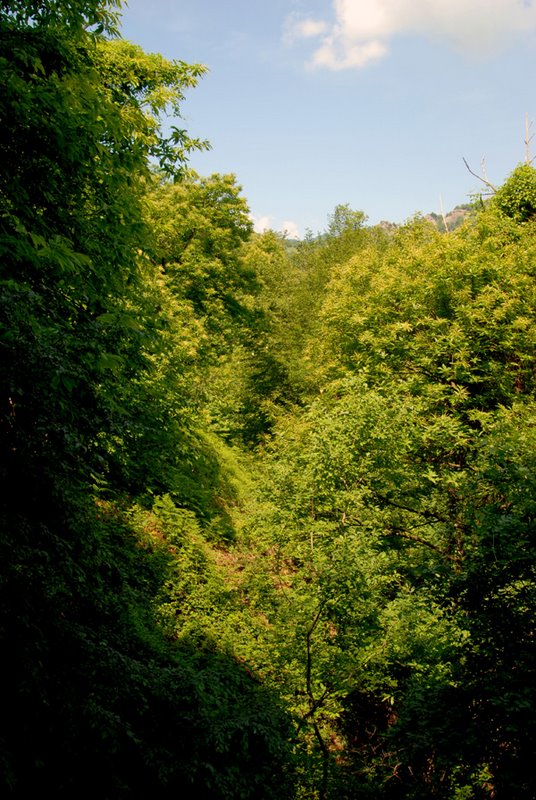
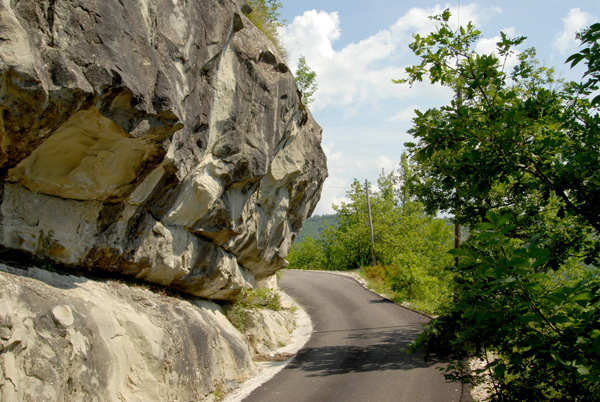
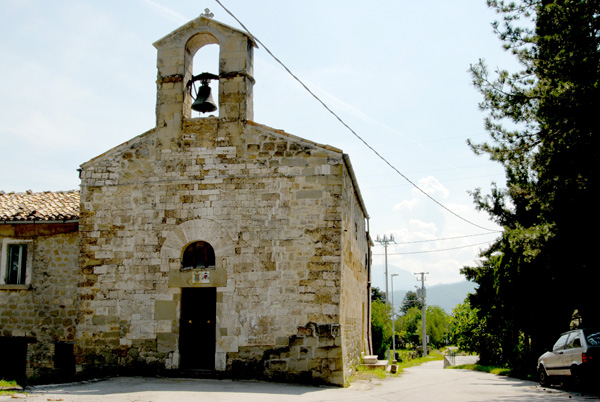
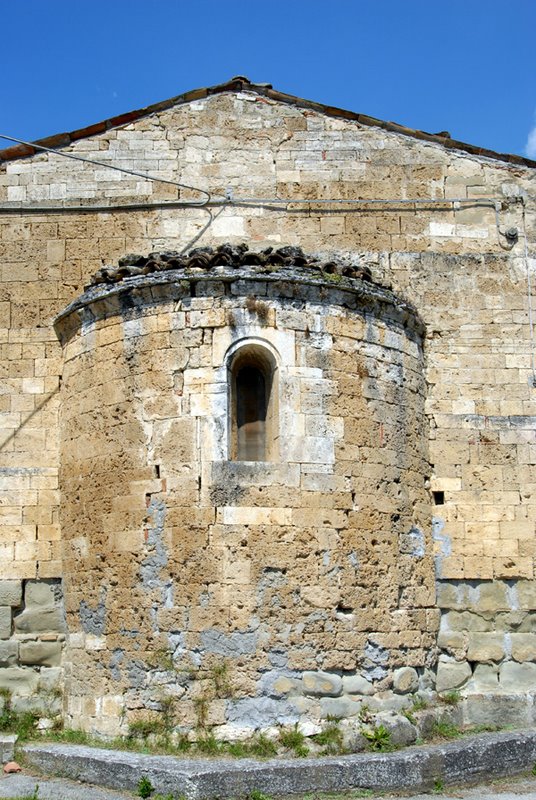
Falciano rests on a quiet ridge, where the last houses of Acquasanta look toward the first waves of the Sibillini Mountains. It’s a village of stone and wind, suspended between the valleys of Tronto and Fluvione, with its gaze fixed on the austere profile of Mount Ceresa. From here, the view extends far beyond the chestnut woods and the badlands that descend toward Roccafluvione, until it fades among the sunset reflections that set the mountain crests ablaze.
Every step echoes on the ancient stairs, among carved portals and tiled roofs that smell of firewood. Time seems to have slowed down: life here still follows the rhythm of the sun, the seasons, and the tolling of the bell tower.
Falciano doesn’t seek to amaze, but to be remembered. It’s a discreet refuge where silence speaks more than words and the mountain becomes a companion to thoughts. In autumn, the forest ignites with gold, in winter snow clothes it in peace, in summer the light reveals its wounds and beauty.
Those who venture up here find more than just a village: they find the deep breath of the Apennines, a place where one can feel part of something that endures, even when everything else changes.
.